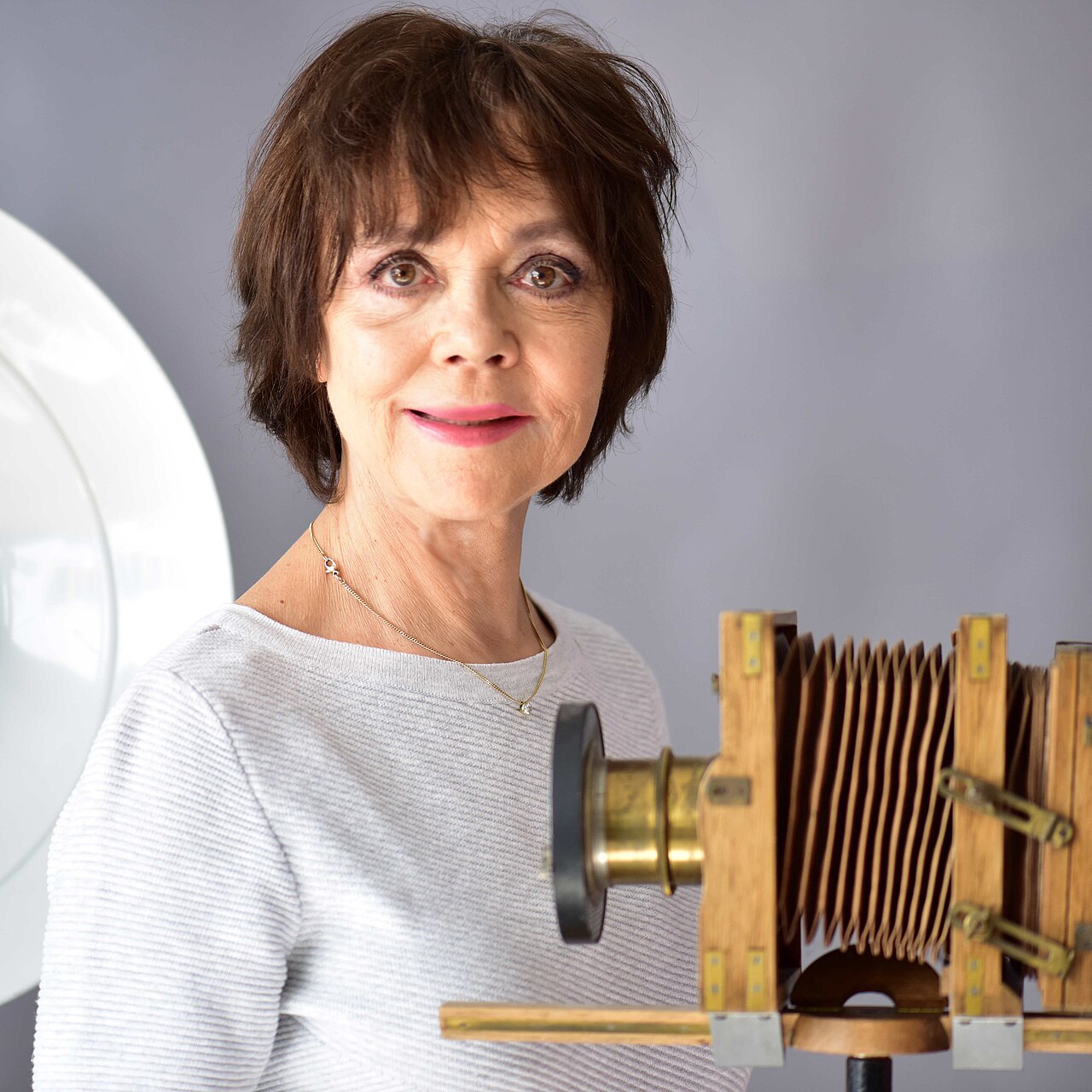
Simone Rethel at 72: A Vibrant Voice for Active Aging
As the acclaimed German actress, photographer, and painter, Simone Rethel, marked her 72nd birthday on June 15th, she continued to resonate not just for her artistic contributions but for her passionate advocacy. For many, the question, Wie Alt Ist Simone Rethel, often comes with a broader curiosity about her enduring energy and profound philosophy on aging. Far from embracing a quiet retirement, Rethel champions a life of continuous engagement, purpose, and professional activity, challenging conventional notions of what it means to grow older.
Known to many as the wife of the late, legendary entertainer Johannes "Jopi" Heesters, Rethel-Heesters has forged her own significant path. Beyond her illustrious career in film and television (including roles in iconic German productions like "Der Alte" and "Diese Drombuschs"), she has dedicated herself to photography and painting, expressing a creative spirit that knows no age. Since 2005, she has also served as an ambassador for the "Initiative würdig altern" (Initiative for Dignified Aging), underscoring her commitment to changing societal perceptions and experiences of older individuals.
Challenging the Myth of "Well-Deserved" Retirement: "Alterslos – Grenzenlos"
Simone Rethel's core thesis is refreshingly bold: "We would all be much happier and healthier people if we didn't retire. Retirement usually leads to stagnation, which is unhealthy for mind and body. You have to do something! The 'well-deserved' retirement – I don't like that term at all." This powerful statement forms the bedrock of her work, particularly her insightful book, "Alterslos – Grenzenlos..." (Ageless – Limitless...).
For this project, Rethel embarked on a journey with her camera and microphone, interviewing 25 individuals who, regardless of their biological age, actively and meaningfully shape their lives. These vibrant personalities, ranging from 63 to 94 years old, include artists, craftspeople, researchers, and politicians – both prominent figures and those less known. Their common thread? An unwavering commitment to activity as the most potent antidote to the passage of time. Her work profoundly redefines what it means to be active and engaged in later life, a testament that resonated widely as she herself turned 72. To delve deeper into her journey and this significant milestone, you might also be interested in How Old is Simone Rethel? Her Life and Legacy at 72.
The conventional wisdom of "retirement" often implies a cessation of productive life, a winding down. Rethel argues vehemently against this, pointing out that such a shift can lead to mental and physical decline. When individuals primarily define themselves by their work, the abrupt loss of that identity can foster loneliness and a sense of meaninglessness. Her book serves as a powerful counter-narrative, illustrating that life post-traditional-retirement can, and should, be a period of continued growth, contribution, and fulfillment.
Inspiring Examples of Lifelong Vigor and Curiosity
Rethel's interviews reveal a diverse tapestry of individuals who embody her philosophy. Their stories are not just anecdotes but living proof that curiosity, passion, and engagement can transcend chronological age:
- Rolf Kühn (Born 1929): This eminent jazz clarinetist, composer, and conductor, a former member of the legendary Benny Goodman Band and head of the NDR Television Orchestra, still practices daily in Berlin. When asked what he does better today than 70 years ago, Kühn attributed it to sustained curiosity. "I always try to discover new things regarding the instrument to perfect everything even more. It's still exciting, and I hope this kind of excitement never ceases." His commitment to continuous learning and refinement serves as a powerful model.
- Otto Schenk (Born 1930): The celebrated actor and director, known for his 50-year staging of the iconic "Rosenkavalier" at the Bavarian State Opera, only recently announced his farewell from the stage. His sentiment: "Having to stop at 65 would have felt like a crime to me." Schenk's words powerfully articulate the deep-seated identity and joy many derive from their professional callings, emphasizing that age should not arbitrarily dictate their cessation.
- Dieter Hallervorden (Born 1935): At 85, the beloved comedian and actor offers a holistic perspective: "I feel more like a very healthy sixty-year-old, but of course, that has a lot to do with keeping heart, mind, and physical fitness in balance." Hallervorden highlights the interconnectedness of mental, emotional, and physical well-being as key to a vibrant later life.
While it's true that artists, politicians, and self-employed individuals might inherently find it easier to remain active and creative into old age due to the nature of their professions, Rethel's message extends beyond these spheres. She emphasizes that the *spirit* of activity and engagement is universal, regardless of one's background or profession. Her carefully selected interviewees, including figures like Nicole Heesters, Peter Maffay, Mario Adorf, Gregor Gysi, and Rita Süßmuth, demonstrate a broad societal cross-section.
Beyond Retirement: Practical Steps for Active Aging
Simone Rethel's advocacy isn't just about rejecting retirement; it's about embracing a proactive approach to aging. For those asking, Wie Alt Ist Simone Rethel, her life itself is a testament to the power of continuous engagement. While not everyone can continue in their original profession, particularly due to health constraints, the principle of sustained activity remains vital. Here are some actionable insights, building on Rethel's philosophy, to cultivate an active and fulfilling later life:
- Embrace Lifelong Learning: Just like Rolf Kühn's perpetual curiosity, actively seek out new knowledge. This could mean learning a new language, taking an online course, delving into a new skill (like painting or an instrument), or simply reading widely. Mental stimulation keeps the brain agile and engaged.
- Cultivate New Hobbies and Passions: If your professional life ends, replace that void with new avocations. This could be gardening, woodworking, photography, writing, or any activity that brings joy and a sense of accomplishment.
- Volunteer Your Time and Expertise: Contributing to your community provides purpose and social connection. Whether it's mentoring younger professionals, helping at a local charity, or participating in civic initiatives, giving back can be incredibly rewarding.
- Maintain Social Connections: Loneliness is a significant health risk. Actively foster relationships with family and friends, join clubs or groups with shared interests, or connect with new people through community activities.
- Prioritize Physical Activity: Tailor your exercise routine to your capabilities. This could range from gentle walks, swimming, yoga, or tai chi, to more vigorous sports if your health permits. Regular movement is crucial for both physical and mental health.
- Seek Meaning and Purpose: Reflect on what truly matters to you. What legacy do you want to leave? What causes are you passionate about? Pursuing these questions can provide a deep wellspring of motivation and fulfillment.
- Travel and Explore: New environments and experiences broaden horizons and keep the mind stimulated. Even local excursions can offer fresh perspectives and opportunities for discovery.
Confronting Age Discrimination: A Call for Inclusivity
Beyond the personal responsibility to remain active, Simone Rethel also casts a critical eye on societal attitudes towards aging. She vehemently points out a pervasive issue: "We are all getting old, and yet the topic of age is excluded. Everything has to be young, supposedly no one wants..." She asserts that older individuals face discrimination, a topic often overlooked despite society's outrage over other forms of prejudice. Her experience, particularly her marriage to Johannes Heesters who was 46 years her senior, likely gave her a unique perspective on age differences and societal judgment, further fueling her advocacy for a more inclusive view of age. Her insights, beautifully articulated at this stage of her life, are further explored in Simone Rethel's 72nd Birthday: Ageless Living Philosophy.
This discrimination manifests in various ways – from stereotypes in media to a lack of opportunities in the workplace or even social marginalization. Rethel's message is a powerful call to dismantle these barriers, urging society to recognize and value the immense experience, wisdom, and potential that older adults bring. By excluding them, society not only harms individuals but deprives itself of valuable contributions. Her advocacy for "dignified aging" is therefore a plea for both personal empowerment and societal transformation.
Conclusion: A Blueprint for a Fulfilling Future
As Simone Rethel celebrates her 72nd birthday, her message resonates louder than ever: age is not a barrier to an active, meaningful, and fulfilling life. Her book, her advocacy, and indeed her own life serve as a powerful blueprint for embracing "ageless living." By rejecting the notion of retirement as an end to productivity, fostering continuous curiosity, and challenging ageist perceptions, Rethel inspires us all to consider how we can remain "limitless" throughout our lives. Her work is a vital contribution to a healthier, happier, and more inclusive society, proving that the question of Wie Alt Ist Simone Rethel is merely an invitation to explore the depth and vibrancy of a life lived fully at every stage.